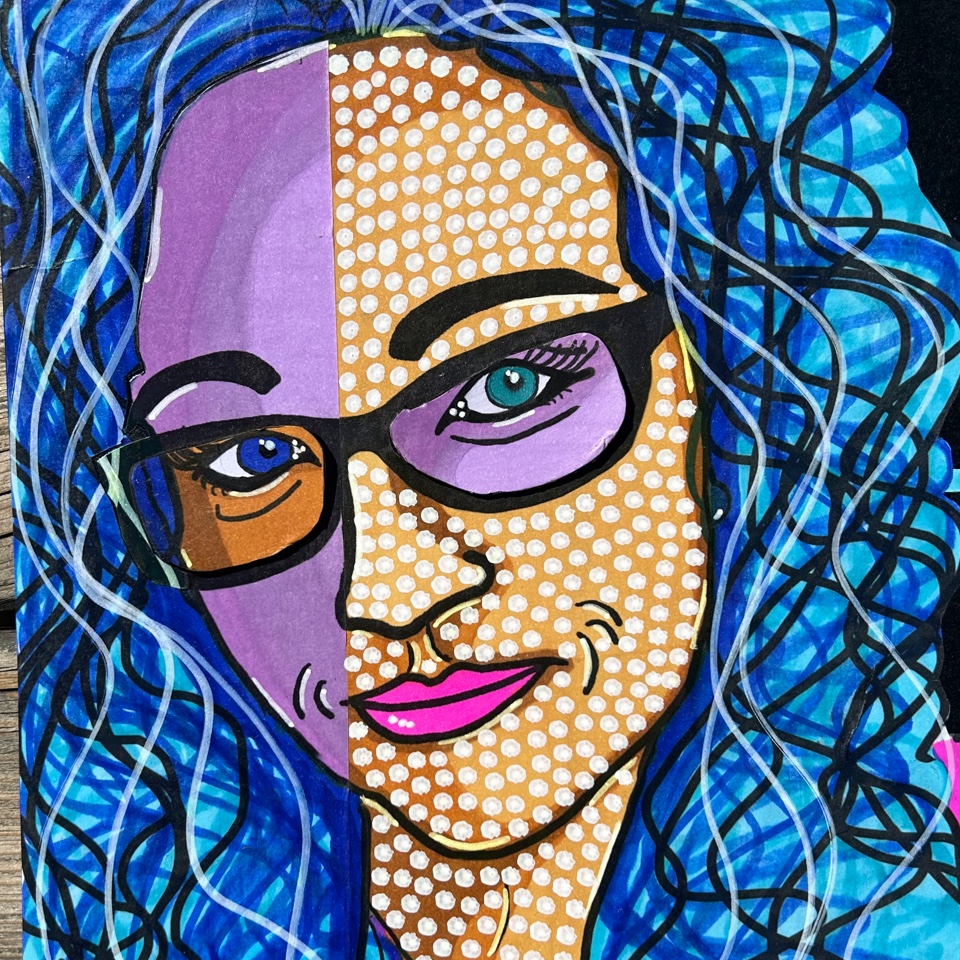
**Modern Research: Reveals the Blurred Boundaries Between Body and Mind in Chronic Pain**
- 1. Life Now – A Candid Reflection – Part 1
- 2. The Battlefield – A Battle on every Front – Part 2
- 3. The Reality – Navigating the Chaos – Part 3
- 4. Modern Research – Blurred Boundaries – Part 4
Modern Research
Chronic conditions like osteoarthritis and persistent nerve pain serve as a constant reminder that the boundaries between body and mind blur in profound and sometimes challenging ways. When chronic pain takes root, it doesn’t live solely in aching joints—it permeates every thought and feeling, creating an intricate feedback loop that links physical suffering to mental and emotional exhaustion. Our bodies register pain through neural signals, while our minds interpret these signals within a context of personal history, mood, and expectations. This interplay can intensify the pain, sometimes making the experience seem overwhelming, even when the physical damage is stable.
Permeates every thought and feeling, creating an intricate feedback loop that links physical suffering to mental and emotional exhaustion.
Modern research has illuminated that our nervous, endocrine, and immune systems are intertwined in what can be described as a dynamic “conversation” between body and mind. In chronic conditions, the stress response—often mediated by hormones like cortisol—can exacerbate inflammation and heighten pain sensitivity. Conversely, persistent physical discomfort can drive feelings of anxiety, depression, and grief. This is more than just a psychological reaction; it’s a measurable physiological cascade where negative emotions and worry amplify physical symptoms, creating a vicious cycle that can be hard to break.
A balanced life is one where both physical vitality and mental well-being are nurtured together.
The historical roots of this mind-body connection stretch back to ancient philosophies and traditional medicine, which long recognised that a balanced life is one where both physical vitality and mental well-being are nurtured together. Traditional Chinese Medicine, for instance, emphasises the flow of Qi (vital energy) as essential to maintaining both physical health and emotional balance. In our modern healthcare approach, this concept has evolved into models like the biopsychosocial framework, which suggests that treating chronic conditions requires attention not just to physical symptoms but also to mental health and social context.
This kind of grief, rooted in a loss of identity and autonomy, often deepens the subjective experience of pain
For those living with chronic pain, the emotional toll can be as significant as the physical discomfort. Muscle tension and restricted movement can mirror an inward sense of confinement or loss, making daily tasks feel insurmountable. The grief felt from not being able to actively participate in family life or personal passions is not merely sentimental—it manifests physically as fatigue, further muscle stiffness, and even altered posture. This kind of grief, rooted in a loss of identity and autonomy, often deepens the subjective experience of pain, reinforcing the intricate loop between body and mind.
By learning to manage stress and modify negative thought patterns, many find that the intensity of chronic pain decreases
In light of this complexity, interventions that target both the mental and physical realms have shown promise. Practices such as mindfulness meditation, yoga, cognitive behavioral therapy, and gentle physical exercises can help recalibrate this delicate balance. By learning to manage stress and modify negative thought patterns, many find that the intensity of chronic pain decreases. Essentially, nurturing a positive mental state can trigger biochemical changes that reduce inflammation and enhance the body’s natural healing mechanisms. This mind-body approach doesn’t erase the condition but can restore a sense of agency and alleviate the compounded impact of chronic illness.
healing is often a journey that encompasses every facet of our being.
Understanding and embracing the connection between body and mind not only validates the lived experiences of those with chronic conditions but also opens the door to more holistic, effective treatment strategies. It invites the exploration of therapies that integrate physical rehabilitation with emotional and psychological support, underscoring that healing is often a journey that encompasses every facet of our being.
Consider delving even deeper..
Consider exploring emerging research in psychoneuroimmunology, which further reveals how our mental states can influence the immune system, or look into specific mind-body programs that combine art therapy, movement, and psychotherapy.
Each of these areas can provide additional tools for anyone navigating the complexities of chronic pain and may lead to a richer understanding of how to reclaim quality of life even within the confines of a chronic condition.
Our pain is real, our struggles are valid, and our voices matter…
#ChronicPain #Osteoarthritis #InvisibleIllness #Resilience #FamilyLove #Fibromyalgia #NoFilter #LivingMyTruth #DisabilityPride #FibromyalgiaAwareness #ChronicPainEducation #RealPain
If you’ve ever felt misunderstood or doubted, know that your truth is powerful. Let’s keep the conversation going and support each other through these invisible battles.



Leave a comment