A few weeks ago, I went out on my own for the very last time. I had been confronted again by the relentless battle of debilitating pain. I wallowed in what seemed like hopelessness for days. Then, I chose to embrace my truth. I decided to carry on fighting this condition head-on. Giving up is not an option!
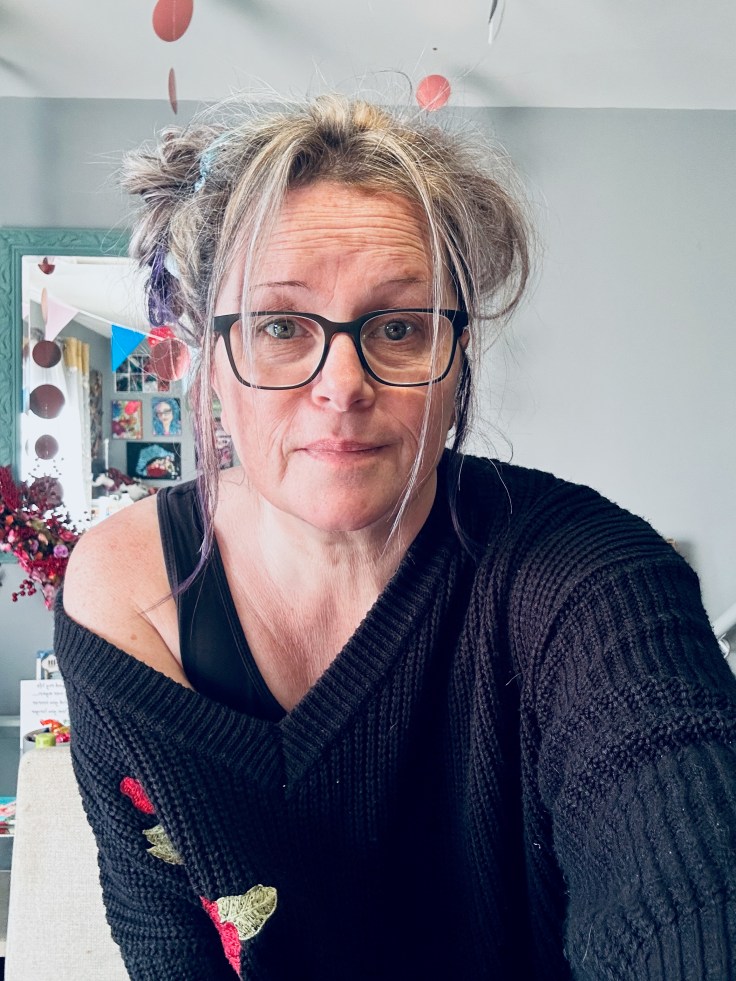
No make up, no filters—just raw truth at 50.
I sat down with my surgeon this Monday, his words were both a harsh wake-up call and an educational moment. He said, “Yes, you’ve got another trapped nerve, but it’s not severe enough for more surgery yet. Your spinal column is so inflamed that we’re holding off on any surgical interventions until it becomes an emergency. What you’re experiencing with your fibromyalgia is a massive neurogenic flare, triggered from years of having undiagnosed trapped nerves throughout your spine. Essentially, your central nervous system is altered, heightening the pain signals you feel every day. Along with four-limb hyperalgesia, this means no amount of exercise is going to fix the nerve signal issues—it’s a matter of biology, not just willpower. I’m not prepared to operate whilst you’re in this clinical state.”
Chronic pain is not something imagined; it’s a harsh, biological reality
Two years ago, I had spinal fusion surgery with titanium plates and screws, as I had Spondylolisthesis L3/4/5. This is a spinal condition that affects the lower vertebrae (spinal bones). This disease causes one of the lower vertebrae to slip forward onto the bone directly beneath it, crushing the nerve and causing debilitating pain.
I’m still living with L5 Radiculopathy, L5/S1 exit foraminal stenosis and Multilevel cervical spondylosis with C5 left impingement. Together with fibromyalgia, menopause, under active thyroid, moderate osteoarthritis in my knees, wrists and hands, bursitis and tendonitis in my shoulders.
There are days when waking up feels like stepping into a battlefield. Osteoarthritis in my cervical and lumbar spine means that every movement is a test of endurance. The nerve pain is constant—a deep, searing agony that radiates through my neck and lower back, making even the simplest task a challenge. Physically, it feels as if my body is betraying me, limiting my energy, flexibility, and freedom to move without fear of flare-ups.
To those who’ve ever dismissed fibromyalgia as “all in your head,” let me be clear: fibromyalgia is real, complex, and deeply rooted in how both our bodies and brains interact. It isn’t just chronic pain; it’s a neurological condition that makes ordinary pain feel magnified, as the nervous system goes on high alert. My experience is a living lesson in how inflammation, nerve dysfunction, and the body’s altered processing of pain redefine every day.
“I grapple with the frustration of knowing that I’m left behind while the world, and even my own body in the past, moved with such ease”
Mentally, this chronic pain casts a long, sometimes overwhelming shadow. I grapple with the frustration of knowing that I’m left behind while the world, and even my own body in the past, moved with such ease. Every sharp twinge or persistent ache reminds me of how much my capabilities have been reduced—turning activities once enjoyed into distant memories. It’s exhausting to mentally prepare for the pain that might come with an unexpected twist or bend, and this constant state of vigilance takes its toll on my inner peace.
One of the hardest parts is the grief that settles in when I realise how much I’ve lost—especially in my family life.
Emotionally, the weight of this condition is profound. One of the hardest parts is the grief that settles in when I realise how much I’ve lost—especially in my family life. I no longer participate in moments the way I used to. I watch as my loved ones enjoy activities and adventures that used to be my everyday reality. The isolation that stems from physical limitations often blends with a sense of deep sorrow—mourning the loss of that active, engaged part of myself. The heaviness in my heart isn’t just from pain; it’s from longing for the days when my body was a partner in joy rather than an obstacle to it.
I might be facing more challenges ahead—future surgeries could mean more restrictions and even more metal running up my spine—but I choose to educate, empower, and fight back.
Educate, empower, and fight back
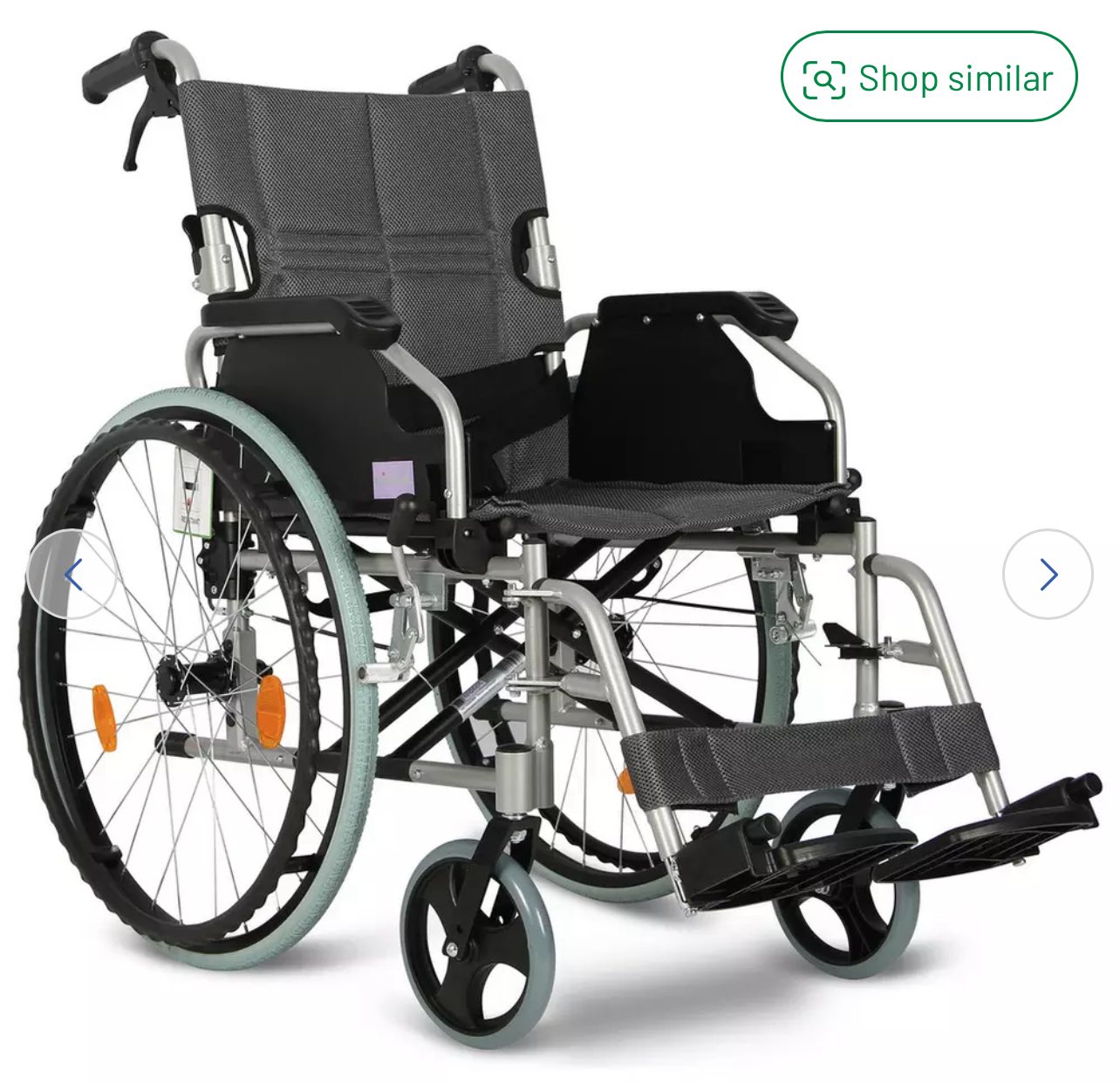
This is why, for every ignorant comment I hear dismissing invisible chronic conditions such as osteoarthritis and fibromyalgia, I’m ready—with my crutches and wheelchair in tow—to set the record straight: chronic pain is not something imagined; it’s a harsh, biological reality that I’m battling every day.
This journey is one of relentless adjustment and quiet acceptance. Every day is a reminder of both my physical restrictions and the emotional toll they extract. I share this in the hope that others facing similar battles feel seen and understood. Though the pain is real and the grief is palpable, I continue to search for moments of hope, resilience, and the small joys that remind me I’m still here, still fighting, and still capable of love and connection.
Our pain is real, our struggles are valid, and our voices matter…
If you’ve ever felt misunderstood or doubted, know that your truth is powerful. Let’s keep the conversation going and support each other through these invisible battles.
This really resonates. So many of us are fighting battles no one else can see, and it’s powerful to see those stories told with honesty and heart. Looking forward to the rest of the series!
So glad this resonated with you, it’s taken me a long time to write these posts, forgot all about them at one point, just another example of the pain overwhelming the mind. I have just posted parts 2, 3 and 4.. writing them has been therapeutic, no matter how long I have been unwell for, it helps to write my thoughts down, even if it is just to compare what I have written previously. Understanding our bodies is one of the most important ways we learn how to make peace with them.




Leave a comment